Small nucleic acid therapeutics (oligonucleotide drugs), including antisense oligonucleotides (ASOs), small interfering RNA (siRNA) and aptamers, have emerged as a new class of precision medicines capable of regulating disease-related genes at the RNA level. Unlinke conventional small-molecule drugs and antibody-based biologics, which exert therapeutic effects by binding to target proteins such as enzymes, receptors, or ion channels, nucleic acid drugs regulate gene expression through base-pair complementarity rather than direct protein binding.
With advances in chemical modification and delivery technologies such as GalNAc conjugation and lipid nanoparticles (LNPs), RNA-based therapies are rapidly expanding from rare genetic diseases into cardiovascular, metabolic, infectious, and neurological disorders.
The precise mechanism of action of small nucleic acid therapeutics provides several key advantages:
- ● Expanded Target Scope: Theoretically, any disease-related gene with a known sequence can serve as a drug target. This addresses many previously "undruggable" targets and significantly broadens the boundaries of disease intervention.
- ● Durable Efficacy and Infrequent Dosing: Driven by a catalytic mechanism of action, siRNA therapeutics in particular can suppress target gene expression for several months after a single administration, substantially improving patient adherence.
- ● Streamlined R&D Pipeline: Drug design relies directly on target gene sequences, offering far greater structural predictability than protein-directed drug discovery.
- ● High Specificity and Favorable Safety Profile: Guided by strict base-pairing rules, these drugs exhibit exceptional targeting specificity with minimal theoretical off-target activity.
FDA-Approved Small Nucleic Acid Drugs and Commercial Success
To date, the FDA has approved 25 small nucleic acid therapeutics for the treatment of hereditary diseases, rare conditions, and metabolic disorders, including 15 ASO drugs, 8 siRNA drugs, and 2 aptamer-based therapies (including products withdrawn from the market).
| Type | Drug | Brand Name | FDA Approval | Company | Indication | Delivry system |
| ASO | Fomivirsen | Vitravene | 1998 (Withdrawn) | Ionis/Novartis | CMV | Naked |
| Mipomersen | Kynamro | 2013 (Withdrawn) | Kastle/Ionis | HoFH | Naked | |
| Nusinersen | Spinraza | 2016 | Ionis/Biogen | SMA | Naked | |
| Eteplirsen | Exondys | 2016 | Sarepta | DMD | Naked | |
| Inotersen | Tegsedi | 2018 | Ionis | hATTR-PN | Naked | |
| Volanesorsen | Waylivra | 2019 | Ionis | FCS | Naked | |
| Golodirsen | Vyondys 53 | 2019 | Sarepta | DMD | Naked | |
| Viltolarsen | Viltepso | 2020 | Nippon Shinyaku | DMD | Naked | |
| Casimersen | Amondys 45 | 2021 | Sarepta | DMD | Naked | |
| Tofersen | Qalsody | 2023 | Ionis/Biogen | SOD1-ALS | Naked | |
| Eplontersen | Wainua | 2023 | AstraZeneca/Ionis | hATTR-PN | GalNAc | |
| Imetelstat | Rytelo | 2024 | Geron Corporation | MDS | Naked | |
| Olezarsen | Tryngolza | 2024 | Ionis | FCS | GalNAc | |
| Donidalorsen | Dawnzera | 2025 | Ionis | HAE | GalNAc | |
| Zilganersen | Zanvastro | 2026 | Ionis | Alexander disease | Naked | |
| siRNA | Patisiran | Onpattro | 2018 | Alnylam | hATTR-PN | LNP |
| Givosiran | Givlaari | 2019 | Alnylam | AHP | GalNac | |
| Lumasiran | Oxlumo | 2020 | Alnylam | PH1 | GalNac | |
| Inclisiran | Leqvio | 2021 | Novartis | HeFH | GalNac | |
| Vutrisiran | Amvuttra | 2022 | Alnylam | hATTR-PN | GalNac | |
| Nedosiran | Rivfloza | 2023 | Novo Nordisk | PH1 | GalNac | |
| Fitusiran | Qfitlia | 2025 | Sanofi | Hemophilia A or B | GalNac | |
| Plozasiran | Redemplo | 2025 | Arrowhead | FCS | GalNac | |
| Aptamer | Pegaptanib | Macugen | 2004 (Withdrawn) | Pfizer/Eyetech | wAMD | PEG |
| Avacincaptad pegol | IZERVAY | 2023 | Archemix/Iveric Bio | GA | PEG |
Table. Approved nucleic acid drugs
First Generation: Rare Disease Applications
In 1998, Fomivirsen (Vitravene) , the first ASO, received FDA approval, marking the beginning of the clinical application era for nucleic acid-based medicines.
In 2016, Ionis Pharmaceuticals’nusinersen (Spinraza) gained approval for spinal muscular atrophy (SMA), becoming the first ASO to achieve widespread commercial adoption.
In 2018, Alnylam’s patisiran (Onpattro) received FDA clearance as the world's first siRNA, officially bringing RNAi technology into clinical practice.
The commercial success of approved small nucleic acid therapies has validated the clinical feasibility of RNA-based medicines. More importantly, advances in delivery technologies, particularly GalNAc conjugation and improved chemical modifications, are enabling the expansion of nucleic acid therapeutics from rare genetic disorders into broader chronic diseases.
Second Generation: Chronic Disease Expansion
In 2020, Inclisiran (Leqvio) was approved for lowering low-density lipoprotein cholesterol (LDL-C), becoming the first siRNA therapy targeting a common metabolic disease.
In 2022, Vutrisiran (Amvuttra) was approved, offering quarterly dosing and further demonstrating the advantages of small nucleic acid therapeutics in long-acting treatment. In 2024, the approval of olezarsen (Tryngolza), an ASO targeting APOC3, and Plozasiran (Redemplo), an siRNA targeting the same pathway, further expanded the application of RNA-based therapeutics in lipid metabolism disorders.
Market Validation: Blockbuster RNA Therapeutics
In recent years, the global market for small nucleic acid therapeutics has continued to expand, with several products achieving blockbuster-level commercial performance. In 2025, global sales of marketed small nucleic acid therapeutics reached approximately $7.1 billion, representing nearly 40% year-over-year growth.
Amvuttra (vutrisiran, Alnylam Pharmaceuticals)
Amvuttra is approved for the treatment of hereditary transthyretin-mediated amyloidosis (ATTR). Leveraging its convenient quarterly dosing schedule, the product achieved approximately $2.3 billion in sales in 2025.
Spinraza (nusinersen, Ionis Pharmaceuticals/Biogen)
Spinraza was approved in December 2016 as the first disease-modifying therapy for spinal muscular atrophy (SMA). Spinraza generats $1.55 billion in sales in 2025, although its market share has been affected by the emergence of oral therapies and gene therapies .
Leqvio (inclisiran, Novartis)
As the first siRNA indicated for LDL-C reduction via PCSK9 targeting, Leqvio achieved $1.198 billion in 2025 sales—a 58.89% year-over-year increase—surpassing the $1 billion threshold for the first time.
Emerging Applications Driving Future Growth
As the technology continues to mature, the development landscape of small nucleic acid therapeutics is expanding beyond rare genetic disorders toward high-prevalence chronic diseases and more complex therapeutic areas.
From the perspective of global development pipelines, cardiovascular and metabolic diseases have become some of the most active areas for siRNA drug development. In addition, researchers are exploring the potential of small nucleic acid therapeutics in metabolic disorders such as hyperuricemia, central nervous system (CNS) diseases including Alzheimer’s disease and Parkinson’s disease, as well as cancer immunotherapy, creating new opportunities for broader clinical applications.
1. RNA Therapeutics for Cardiovascular and Metabolic Diseases
Characterized by large patient populations and sustained treatment needs, cardiometabolic diseases represent a critical entry point for oligonucleotide therapeutics. Pipelines targeting chronic cardiovascular conditions—such as hypertension (targeting AGT) and dyslipidemia (targeting PCSK9, Lp(a), and ANGPTL3)—are advancing rapidly.
Inclisiran Validates the Potential of siRNA in Cardiovascular Medicine
Novartis’s siRNA therapy inclisiran (Leqvio) represents a major milestone in this space. By targeting PCSK9 mRNA to reduce PCSK9 protein expression, inclisiran significantly lowers LDL-C levels. Its twice-yearly dosing regimen established that siRNA technology can effectively serve large-scale chronic disease management, accelerating industry-wide R&D momentum across cardiometabolic indications.
Plozasiran (Redemplo): Expanding RNAi Applications in Lipid Disorders
In 2025, the FDA approved Arrowhead Pharmaceuticals' plozasiran (Redemplo) as an adjunct to diet for adults with familial chylomicronemia syndrome (FCS), making it the first siRNA therapy cleared for this condition. By silencing APOC3 expression, plozasiran lowers triglyceride levels via a once-quarterly subcutaneous injection, offering a novel therapeutic option for rare lipid disorders.
Zilebesiran: Long-Acting Blood Pressure Control Through RNA Silencing
Zilebesiran is an investigational RNA interference therapeutic agent with a prolonged duration of action, targeting hepatic synthesis of angiotensinogen (AGT) in development for the treatment of hypertension in high unmet need populations. Zilebesiran utilizes Alnylam’s Enhanced Stabilization Chemistry Plus (ESC+) GalNAc-conjugate technology, which may support the potential for sustained reduction of blood pressure with twice-yearly or quarterly subcutaneous administration. It is currently advancing to a Phase III ZENITH CVOT trial after completing its Phase II KARDIA program.
Zilebesiran has demonstrated the ability to provide continuous control of blood pressure with biannual dosing in patients with mild-to-moderate hypertension as a monotherapy and in combination with standard-of-care antihypertensives, as well as in patients with high cardiovascular risk and uncontrolled hypertension despite the use of multiple background therapies. [3]
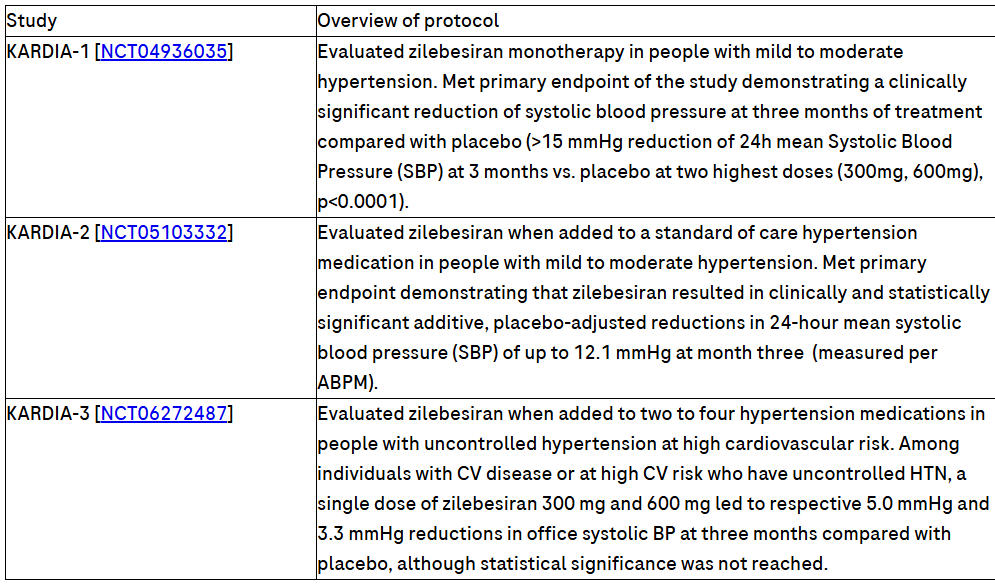
Figure 1. Result of Phase II KARDIA [3]
Zodasiran: Exploring Dual Lipid-Lowering Potential
Zodasiran, a liver-targeted RNAi therapeutic, inhibits ANGPTL3 expression and reduces atherogenic lipoproteins through mechanisms independent of the LDL receptor (LDLR).
Quarterly administration of zodasiran achieved sustained reductions in LDL-C, apolipoprotein B, and Lp(a), with nadir reductions comparable to those observed in the primary study. Overall, zodasiran demonstrated a favorable benefit-risk profile consistent with cumulative safety data. Based on these findings, a Phase 3 trial YOSEMITE in homozygous familial hypercholesterolemia (HoFH) is currently being planned. [4]
2. RNA Therapeutics for Chronic Hepatitis B
Chronic hepatitis B (HBV) remains one of the most significant infectious diseases worldwide. Although current antiviral therapies can effectively suppress viral replication, achieving a functional cure remains challenging for most patients. In recent years, HBV treatment strategies have gradually shifted from simply controlling viral replication toward a more comprehensive approach focused on reducing viral antigen burden and restoring host immune responses.
ASO and siRNA therapies have emerged as promising approaches. Unlike conventional antiviral therapies that mainly suppress viral replication, nucleic acid therapeutics aim to reduce viral antigen production at the RNA level, offering a potential path toward functional cure.
Bepirovirsen (GSK, ASO Therapy)
Bepirovirsen is a triple action investigational ASO designed to recognize and orchestrate the destruction of the genetic components of the hepatitis B virus that can lead to chronic disease, potentially allowing a person’s immune system to regain control. It is the first HBV nucleic acid therapeutic to advance into Phase 3 clinical development. And on Aug 24, 2026, Ionis partner GSK announced Hibsago (bepirovirsen) approved in Japan as first and only functional cure for chronic hepatitis B.
In the Phase 3 B-Well 1 and B-Well 2 clinical trials, six months of Bepirovirsen treatment demonstrated functional cure potential in a subset of patients with chronic hepatitis B. The results showed that:
- ● The overall functional cure rate reached 19% across the study population;
- ● Among patients with baseline HBsAg levels ≤1,000 IU/mL and lower viral activity, the functional cure rate increased to 26%;
- ● No functional cures were observed in the standard-of-care control group. [5]
Additionally, nearly half of the responders maintained HBsAg levels ≤100 IU/mL one year after completing treatment, highlighting the potential of ASO therapy as part of a future functional cure strategy for HBV.
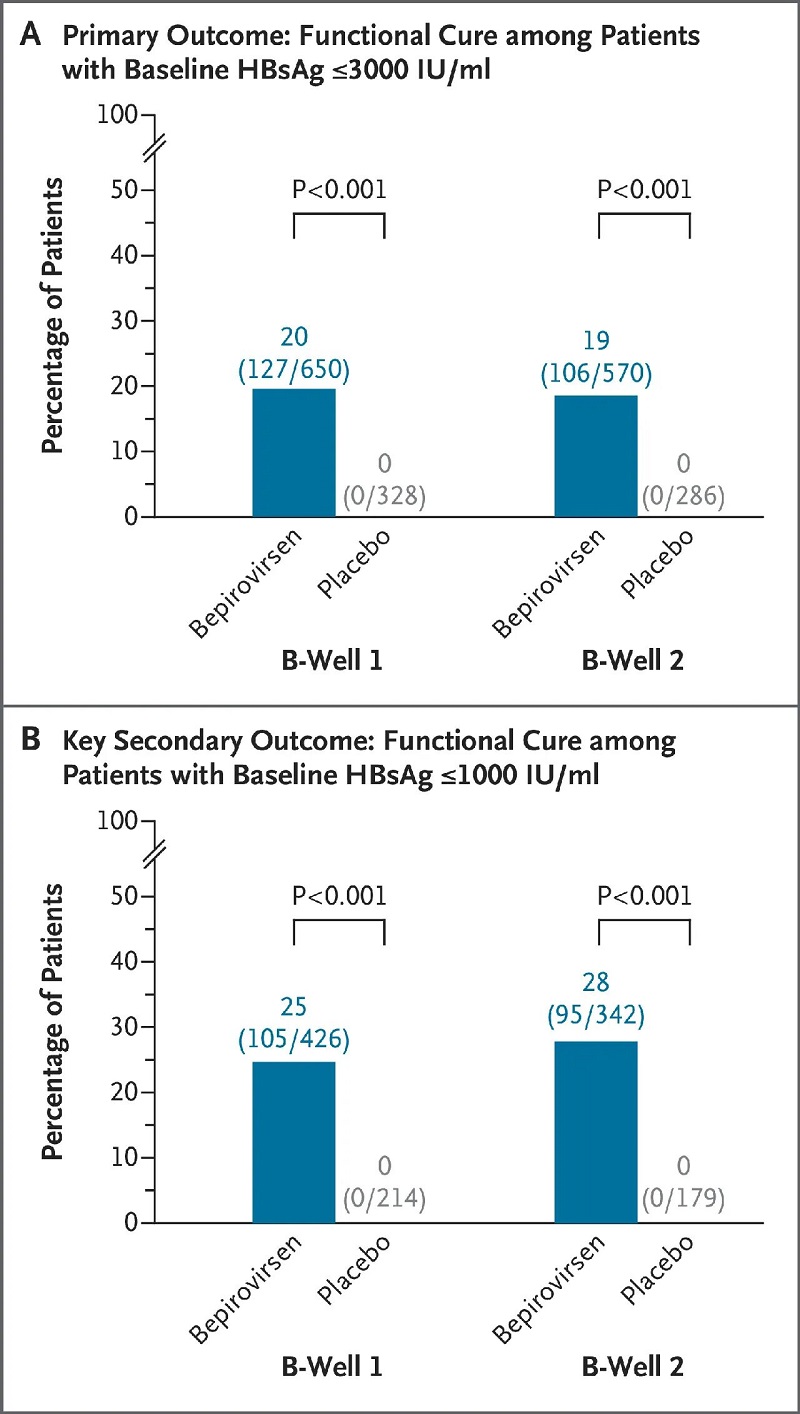
Figure 2. Phase 3 B-Well 1 and B-Well 2 clinical trials [5]
BW-20507 (Argo Biopharma, GalNAc-siRNA)
BW-20507 is a double-stranded, GalNAc-conjugated siRNA designed to target the S region of HBV.
Clinical data presented at EASL 2025 demonstrated favorable safety and significant, dose-dependent reductions in HBsAg and potent suppression of HBV DNA following treatment with BW-20507.
3. Obesity and Metabolic Diseases Beyond GLP-1
In recent years, GLP-1 receptor agonists have transformed the obesity treatment landscape and accelerated the development of metabolic therapies. However, significant unmet needs remain, including long-term weight maintenance, prevention of weight regain, and improvement of overall metabolic health.
The role of small nucleic acid therapeutics in weight management is not to simply replace GLP-1 therapies, but rather to serve as long-acting metabolic regulators. Through low-frequency dosing, these therapies have the potential to provide sustained improvements in fat metabolism and may be used in combination with GLP-1 drugs to achieve broader benefits, including fat reduction, muscle preservation, and metabolic improvement.
Current research efforts are mainly focused on metabolism-related targets, including INHBE, ALK7, GDF8, and FGF21, representing new approaches beyond traditional weight-loss mechanisms.
WVE-007 (Wave Life Sciences,INHBE GalNAc-siRNA)
WVE-007 is an investigational GalNAc-siRNA that utilizes Wave’s best-in-class proprietary oligonucleotide chemistry and the company’s Stereopure interfering Nucleic Acid (SpiNA) next generation siRNA design. It is designed to silence INHBE mRNA, an obesity target with strong evidence from human genetics.
In the Phase 1 INLIGHT clinical study reported in 2026, a single dose of WVE-007 demonstrated sustained metabolic effects over six months, including:
- ● Up to 14.3% reduction in visceral fat;
- ● Approximately 2.4% increase in lean body mass.
ARO-INHBE (Arrowhead Pharmaceuticals, INHBE GalNAc-siRNA)
Developed by Arrowhead Pharmaceuticals, ARO-INHBE is another siRNA therapeutic targeting INHBE for obesity and related metabolic disorders.
Early clinical data showed that ARO-INHBE, either as a monotherapy or in combination with low-dose tirzepatide, resulted in meaningful improvements in liver fat reduction.
At the 400 mg dose level, ARO-INHBE achieved an average maximum reduction of 85.3% in Activin E levels, with effects lasting for more than three months.
In addition, among individuals with obesity, combination treatment with ARO-INHBE and low-dose tirzepatide demonstrated further improvements in visceral fat reduction and liver fat content compared with tirzepatide alone.
ARO-ALK7 (Arrowhead Pharmaceuticals, siRNA)
ARO-ALK7 is the first RNAi-based therapy to directly target a gene expressed in adipose tissue. It is a dual-lipid siRNA conjugate, where a lipid is linked to the 3′and 5’ ends of the sense strand within the siRNA targeting ALK7.
Early Phase 1/2a clinical data showed that, at the 200 mg dose, ARO-ALK7 reduced adipose tissue ALK7 mRNA levels by an average of 88%, with a maximum reduction of 94% at Week 8.
Delivery Technologies Driving Small Nucleic Acid Therapeutics
Lipid Nanoparticles (LNPs)
Lipid Nanoparticles (LNPs) were the first successful delivery platform for small nucleic acid therapeutics. In 2018, Alnylam’s siRNA drug Onpattro (patisiran) received FDA approval, becoming the first approved nucleic acid therapy to utilize LNP delivery technology.
Although LNPs solved fundamental problems such as rapid nucleic acid degradation and poor cellular uptake, they present inherent limitations, including low endosomal escape efficiency, immunogenicity, and safety risks. For example, lipid components or encapsulated nucleic acids can activate the immune system, leading to inflammatory responses or cytokine release syndrome (CRS).
PEG-Lipid and PEG Linkers in RNA Therapeutics
PEG-lipids and functional PEG derivatives play important roles in improving nanoparticle stability, controlling pharmacokinetics, and enabling targeted delivery strategies for RNA-based medicines.
Biopharma PEG provides high-quality PEG derivatives, PEG linkers, and PEG-lipid related materials for nucleic acid drug development, including siRNA delivery, conjugation research, and RNA therapeutic platforms.
GalNAc Delivery
N-Acetylgalactosamine (GalNAc) is a high-affinity ligand for the asialoglycoprotein receptor (ASGPR), which is expressed at high density specifically on hepatocyte membranes. Conjugating GalNAc to siRNA enables precise targeting to the liver. In 2019, Alnylam’s Givlaari (givosiran) was approved, becoming the first siRNA drug to use GalNAc conjugation technology.
Due to its liver-targeting efficiency, favorable safety profile, and user-friendly dosing schedule, GalNAc technology quickly became the primary approach in siRNA drug development (all siRNA drugs approved since 2019 utilize GalNAc technology). This breakthrough enabled efficient, low-toxicity delivery to hepatocytes, expanding indications from rare genetic conditions to common chronic diseases.
However, while GalNAc triggered rapid market growth, it only solved liver-targeted delivery. Delivering drugs to extrahepatic tissues—such as the central nervous system (CNS), skeletal muscle, kidneys, and lungs—remains the primary barrier to expanding indications. Currently, no systemically administered nucleic acid drug targeting extrahepatic tissues has reached the market, making extrahepatic delivery the key focus for industry progress.
Tackling Extrahepatic Delivery
Moving beyond the liver involves substantially higher technical hurdles due to strict and varied physiological barriers:
- ● Central Nervous System (CNS): The blood-brain barrier (BBB) restricts systemic brain drug concentrations to roughly 0.01% of liver levels.
- ● Kidneys: Drugs face complex glomerular filtration barriers and rapid clearance.
- ● Heart: Cardiomyocytes show relatively weak cellular uptake.
- ● Adipose Tissue: Limited blood supply restricts aqueous diffusion.
Overcoming liver dependence to achieve multi-organ targeting is now the main objective defining next-generation nucleic acid therapeutics.
To overcome these extrahepatic barriers, global pharmaceutical companies and biotechs are pursuing several parallel approaches—including ligand conjugation, peptide modification, antibody-oligonucleotide conjugates (AOCs), engineered LNPs, and exosomes—to target the CNS, muscle, heart, adipose tissue, and lungs.
Supporting RNA Therapeutics with PEG and Nucleic Acid Building Blocks
The development of RNA-based therapeutics relies on a range of specialized building blocks and delivery materials. Lipids and functional PEG derivatives are widely used in nanoparticle formulations, conjugation strategies, and targeted delivery systems, while phosphoramidites and other nucleic acid building blocks support the synthesis and modification of therapeutic oligonucleotides. Biopharma PEG provides Lipids, PEG derivatives, and PEG-lipid related materials for research and development in RNA therapeutics, including siRNA delivery, conjugation, and lipid nanoparticle (LNP) applications.
We also peovide a range of Nucleic Acid Chemistry products, including RNA Phosphoramidites, LNA & BNA Phosphoramidites, Special & Modified Phosphoramidites, GalNAc Conjugation Building Blocks, Lipid Phosphoramidites, PMO & Morpholino Monomers, Fluorescent & Biotin Labeled Nucleotides, and Nucleic Acid Building Blocks. By supplying reliable, high-purity reagents and advanced delivery materials, Biopharma PEG helps biopharmaceutical researchers streamline the transition from oligonucleotide discovery to advanced clinical platforms.
References:
- Liu, M., Wang, Y., Zhang, Y. et al. Landscape of small nucleic acid therapeutics: moving from the bench to the clinic as next-generation medicines. Sig Transduct Target Ther 10, 73 (2025). https://doi.org/10.1038/s41392-024-02112-8
- Wu S, Zhang Z, Zhao Z, Cui C, Tan W. Navigating the next frontier in biomedicine: breakthroughs and insights in nucleic acid therapeutics. Chem Sci. 2026 Jan 13;17(7):3377-3409. doi: 10.1039/d5sc06966a. PMID: 41635917; PMCID: PMC12862823.
- Roche and Alnylam advance zilebesiran into global phase III cardiovascular outcomes trial for people with uncontrolled hypertension https://www.roche.com/media/releases/med-cor-2025-08-30
- Zodasiran (ARO-ANG3), an investigational RNAi therapeutic, demonstrates profound and durable reductions in LDL-cholesterol, apolipoprotein B, and ANGPTL3 in patients with HoFH; gateway final results https://www.atherosclerosis-journal.com/article/S0021-9150(25)01272-9/fulltext
- Bepirovirsen achieves unprecedented functional cure rates with potential to redefine treatment for chronic hepatitis B. Retrieved May 28, 2026, from https://www.gsk.com/en-gb/media/press-releases/bepirovirsen-achieves-unprecedented-functional-cure-rates-with-potential-to-redefine-treatment-for-chronic-hepatitis-b/
- Hou et al. (2026). Phase 3 Results of Bepirovirsen Treatment for Chronic Hepatitis B Virus Infection. NEJM, DOI: 10.1056/NEJMoa2515131
- Safety, Tolerability, and Remarkable Hepatitis B Surface Antigen Reduction in Chronic Hepatitis B Patients Treated With BW-20507 https://www.postersessiononline.eu/173580348_eu/congresos/EASL2025/aula/-LBP_8_EASL2025.pdf
- Wave Life Sciences Announces Positive Interim Phase 1 Data from INLIGHT: Further Improvements in Body Composition, with Clinically Meaningful Reductions in Visceral Fat and Waist Circumference, at Six Months Following Single Dose of WVE-007 https://ir.wavelifesciences.com/news-releases/news-release-details/wave-life-sciences-announces-positive-interim-phase-1-data
- Arrowhead Pharmaceuticals Presents New Clinical Data on RNAi-based Obesity and MASH Candidate ARO-INHBE at EASL 2026 https://ir.arrowheadpharma.com/news-releases/news-release-details/arrowhead-pharmaceuticals-presents-new-clinical-data-rnai-based
- Arrowhead Pharmaceuticals Announces Interim Clinical Data on RNAi-based Obesity Candidates Showing Weight Loss in Obese Patients with Diabetes and Improved Measures of Body Composition https://www.sec.gov/Archives/edgar/data/879407/000087940726000004/exhibit991.htm