Approximately 80% of the human proteome is currently classified as "undruggable" due to the lack of traditional, deep-seated binding pockets. Conventional small molecules, which rely on the "lock-and-key" occupancy model, are often ineffective against these proteins with relatively smooth surfaces.
To overcome these challenges, targeted protein degradation (TPD) has emerged as a rapidly growing area of research. Among these strategies, molecular glues represent a novel class of small molecules that modulate the surface of E3 ubiquitin ligases, promoting or inducing novel protein–protein interactions (PPIs) between the ligase and the target protein, leading to its ubiquitination and degradation.
Unlike PROTACs, which rely on bifunctional linkers, molecular glues are structurally simpler and typically have lower molecular weights, resulting in enhanced cell membrane permeability, improved oral bioavailability and drug-like properties. By combining the cost-effectiveness of small molecules with the precision of biologics, Molecular glues represent a highly promising strategy for targeting recalcitrant solid tumors and central nervous system (CNS) disorders.
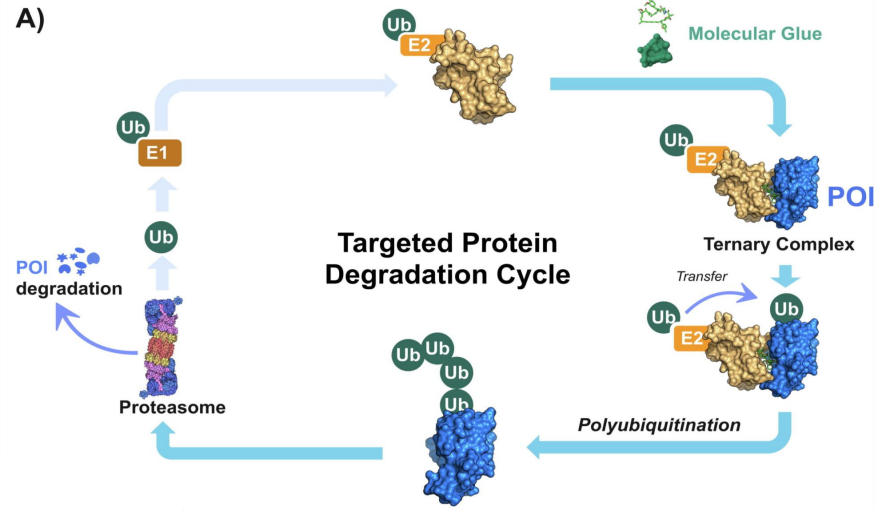
Figure 1. Schematic representation of molecular glue-driven protein degradation, source: DOI:10.1016/j.drudis.2024.104205
FDA-Approved Molecular Glues
To date, three molecular glue drugs—Thalidomide, Lenalidomide, and Pomalidomide—have been approved globally. Collectively known as immunomodulatory imide drugs (IMiDs), these agents have achieved peak annual sales exceeding $16 billion.
IMiDs function by recruiting the Cereblon (CRBN) E3 ligase to induce the polyubiquitination and subsequent proteasomal degradation of transcription factors IKZF1 and IKZF3. This triggers the downregulation of critical oncogenic drivers, including IRF4 and MYC, while simultaneously stimulating T-cell and NK-cell mediated immunity. This dual-action profile—combining direct cytotoxicity with immunomodulation—remains a hallmark of their clinical efficacy.
Although all three drugs share CRBN as a common target, they differ in substrate specificity, binding affinity, and pharmacokinetic profiles. Successive generations have demonstrated broader target coverage, stronger CRBN engagement, improved efficacy, and reduced toxicity.
Beyond approved therapies, a growing number of molecular glues are advancing through clinical development.
Molecular Glues in Development
The research and development landscape for molecular glues is rapidly diversifying. While historically anchored in hematological malignancies—particularly multiple myeloma—current pipelines are aggressively expanding into autoimmune disorders (such as systemic lupus erythematosus) and solid tumors (notably non-small cell lung cancer).
Key targets under investigation include IKZF1/3, RBM39, IKZF2, GSPT1, and CKα1. Among these, IKZF1/3 remain the most extensively studied, with the largest and most mature development pipelines. Multiple molecular glue candidates are currently advancing through various stages of clinical evaluation and validation.
| Pharmaceutical Designation | Research Sponsor | Target | Development Phase | Therapeutic Indication |
| Thalidomide | BMS/Celgene | IKZF1/3 | launched | MM |
| Lenalidomide | BMS/Celgene | IKZF1/3 | launched | MM |
| Pomalidomide | BMS/Celgene | IKZF1/3 | launched | MM |
| Iberdomide (CC-220) | BMS/Celgene | FP91/98;IKZF1 | Phase III | MM |
| Mezigdomide (CC-92480) | BMS/Celgene | IKZF1/3 | Phase III | MM, RRMM |
| Golcadomide (CC-99282) | BMS/Celgene | IKZF1/3 | Phase III | HR-LBCL |
| Avadomide (CC-122) | BMS/Celgene | IKZF1/3 | Phase II | NHL, MM, DLBCL |
| Eragidomide (CC-90009) | BMS/Celgene | GSPT1 | Phase I | AML, MDS |
| Daraxonrasib (RMC-6236) | Revolution Medicines | Pan-RAS | Phase III | NSCLC, PDAC, CRC |
| Zoldonrasib (RMC-9805) | Revolution Medicines | RAS G12D(ON) | Phase II | NSCLC, PDAC |
| Elironrasib (RMC-6291) | Revolution Medicines | RAS G12C(ON) | Phase I/II | NSCLC, CRC |
| Cemsidomide (CFT7455) | C4 Therapeutics | IKZF1/3 | Phase I/II | RRMM |
| MRT-2359 | Monte Rosa | GSPT1 | Phase I/II | Lung cancer and other solid tumors |
| MRT-6160 | Monte Rosa | VAV1 | Phase I/II | Autoimmune disease |
| MRT-8102 | Monte Rosa | NEK7 | Phase I/II | Inflammatory diseases |
| KT-621 | Kymera Therapeutics | STAT6 | Phase II | Atopic dermatitis, asthma |
| E7820 | Eisai | RBM39/CD49b | Phase II | CMML, Myeloid neoplasms, R/R AML |
| AMG-193 | Amgen | PRMT5/MTA | Phase I/II | MTAP-deleted tumors |
BMS: Defining the New Era Molecular Glues
Since its landmark $74 billion acquisition of Celgene in 2019, Bristol Myers Squibb (BMS) has solidified its dominance in the Molecular Glue and Cereblon E3 Ligase Modulator (CELMoD) space. The company’s next-generation pipeline demonstrates superior binding kinetics, immune synergy, and transformative clinical outcomes.
Iberdomide (CC-220)
Iberdomide (CC-220) represents a significant leap in the evolution of CELMoDs. By binding to the CRBN pocket with approximately 20-fold higher affinity than lenalidomide, it induces an allosteric conformational change that optimizes the recruitment and subsequent degradation of Ikaros (IKZF1) and Aiolos (IKZF3). Beyond its potent monotherapy activity, iberdomide has demonstrated remarkable synergistic potential in combination with anti-CD38 antibodies and BCMA-targeted CAR-T therapies. With its NDA currently under FDA review for relapsed or refractory multiple myeloma (RRMM) and a PDUFA date set for August 17, 2026, iberdomide is poised to become the first approved agent in the CELMoD class. [2]
Mezigdomide (CC-92480)
Mezigdomide (CC-92480) is a potent, next-generation oral CELMoD specifically engineered for rapid and maximal degradation of target proteins to overcome resistance in heavily pretreated RRMM patients. Its clinical utility was recently underscored by positive interim results from the Phase III SUCCESSOR-2 trial. The study demonstrated that the mezigdomide-carfilzomib-dexamethasone (MeziKd) triplet significantly extended progression-free survival (PFS) compared to the standard-of-care carfilzomib-dexamethasone (Kd) regimen. [3]
Golcadomide (CC-99282)
Golcadomide is a potential, first-in-class, oral CELMoD agent designed for the treatment of lymphoma, with preferential distribution to lymphoid organs and enhanced activity in lymphoma cell lines. Clinical data presented at the ASH annual meeting highlighted its transformative potential; in a Phase Ib trial, a 0.4 mg dose achieved an 88% complete metabolic response (CMR) rate and a 79% two-year PFS rate. Crucially, the achievement of MRD negativity in 90% of patients suggests that golcadomide could offer a path toward durable, deep remissions in high-risk lymphoma populations. [4]
Revolution Medicines: Nondegradative Synthetic Molecular Glues
Revolution Medicines (RVMD) is pioneering nondegradative synthetic molecular glues that form ternary complexes, typically recruiting cyclophilin A to RAS proteins, to inhibit oncogenic signaling without destroying the target protein.
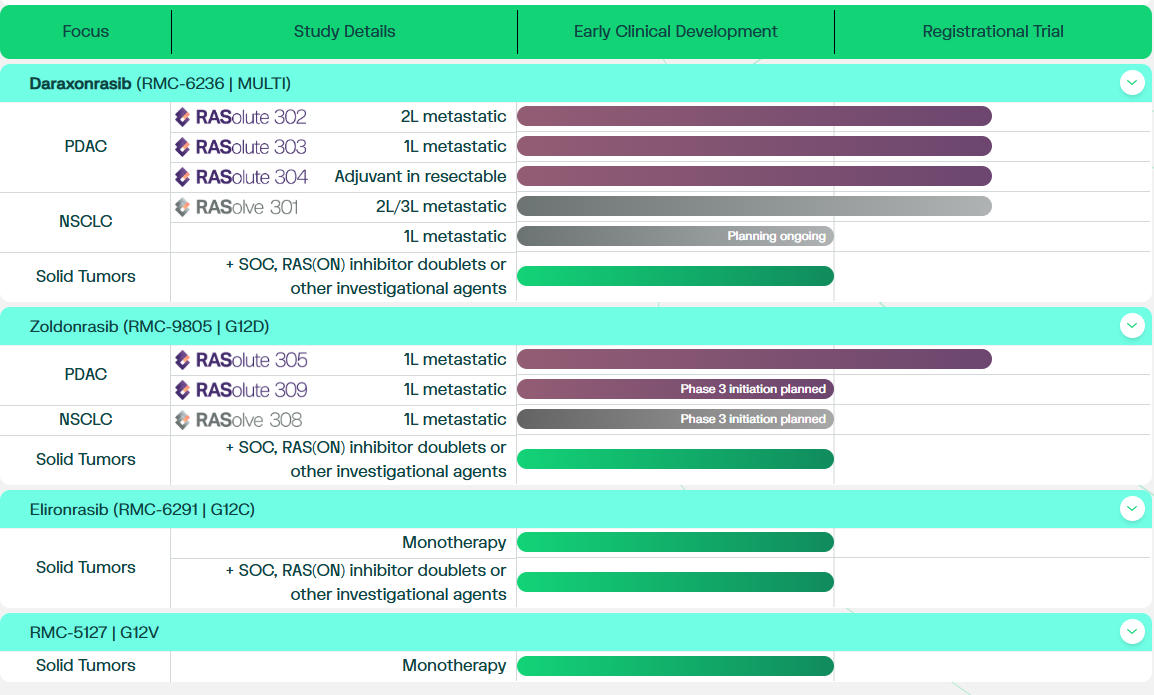
Figure 2. Revolution Medicines Pipelines, source: https://www.revmed.com/
Daraxonrasib (RMC-6236)
Daraxonrasib (RMC-6236) is a potential first-in-class, oral, multi-selective pan-RAS(ON) molecular glue inhibitor. Unlike other degraders, daraxonrasib functions as a non-degradative molecular glue that recruits the intracellular chaperone protein cyclophilin A (CypA) to RAS(ON), thus forming a tri-complex. This interaction prevents effector binding and downstream signaling.
Daraxonrasib is currently in phase III clinical trials and aims to treat solid tumors harboring RAS mutations, including NSCLC, metastatic pancreatic ductal adenocarcinoma (PDAC) and CRC. And the FDA has granted daraxonrasib Breakthrough Therapy Designation and Orphan Drug Designation for the treatment of patients with previously treated metastatic PDAC harboring G12 mutations.
In April 2026, RVMD announced detailed results from Phase 3 RASolute 302 clinical trial evaluating daraxonrasib in patients with previously treated metastatic PDAC. Daraxonrasib demonstrated a significant improvement in overall survival (13.2 vs 6.7 months), with a hazard ratio of 0.40 (p < 0.0001). And daraxonrasib was generally well tolerated, with a manageable safety profile and with no new safety signals. [5]
Zoldonrasib (RMC-9805)
Zoldonrasib (RMC-9805) is a potential first-in-class, covalent KRAS(G12D)(ON) molecular glue inhibitor.
In April 2026, RVMD has announced updated Phase 1 (RMC-9805-001) clinical data for zoldonrasib in patients with previously treated KRAS G12D NSCLC. Zoldonrasib demonstrated encouraging clinical activity. In the subgroup (n=27), the confirmed objective response rate (ORR) was 52%, with a disease control rate (DCR) of 93%. The median time to response was 1.4 months, while the median duration of response had not yet been reached. Median progression-free survival (PFS) was 11.1 months, with a 12-month PFS rate of 48%. [6]
Elironrasib (RMC-6291)
Elironrasib is a first-in-class, mutant-selective inhibitor that binds selectively and covalently to the oncogenic RAS(ON) form of the RAS G12C variant. In July 2025, elironrasib was granted Breakthrough Therapy Designation for the treatment of adult patients with KRAS G12C-mutated locally advanced or metastatic NSCLC.
Data from the ongoing Phase 1 RMC-6291-001 trial demonstrate compelling antitumor activity in patients with advanced KRAS G12C-mutant solid tumors. Elironrasib achieved a confirmed ORR of 42% and a DCR of 79%, highlighting its potential as a highly active monotherapy. The median DoR reached 11.2 months and the median PFS was 6.2 months. While median Overall Survival (OS) has not yet been reached, the estimated 12-month OS rate of 62% reflects a promising survival trend in this heavily pretreated population. [7]
C4 Therapeutics: Advancing Next-Generation IKZF1/3 Degraders
C4 Therapeutics is a clinical-stage biotechnology company developing a new generation of medicines that harness targeted protein degradation (TPD) to transform how disease is treated.

Figure 3. C4 Therapeutics Pipelines, source: https://c4therapeutics.com/
Cemsidomide (CFT7455)
While IMiDs (lenalidomide and pomalidomide) have established themselves as the standard of care for multiple myeloma (MM), their utility is constrained by renal clearance profiles, off-target hematological toxicity, and limited degradation efficacy. C4 Therapeutics is addressing these critical gaps with Cemsidomide (CFT7455), a next-generation IKZF1/3 molecular glue degrader designed to provide more durable and potent outcomes for patients with relapsed/refractory (R/R) MM.
As a potent, orally bioavailable MonoDAC® degrader, Cemsidomide has demonstrated a differentiated safety and tolerability profile in Phase 1 trials, achieving an ORR of 53% in the 100µg cohort. These data support its potential as a class-leading agent in the treatment of MM. [8]
Monte Rosa: Three Molecular Glues as Core Assets
Monte Rosa’s core pipeline is built around three molecular glue programs, covering autoimmune disease, inflammation, and oncology.
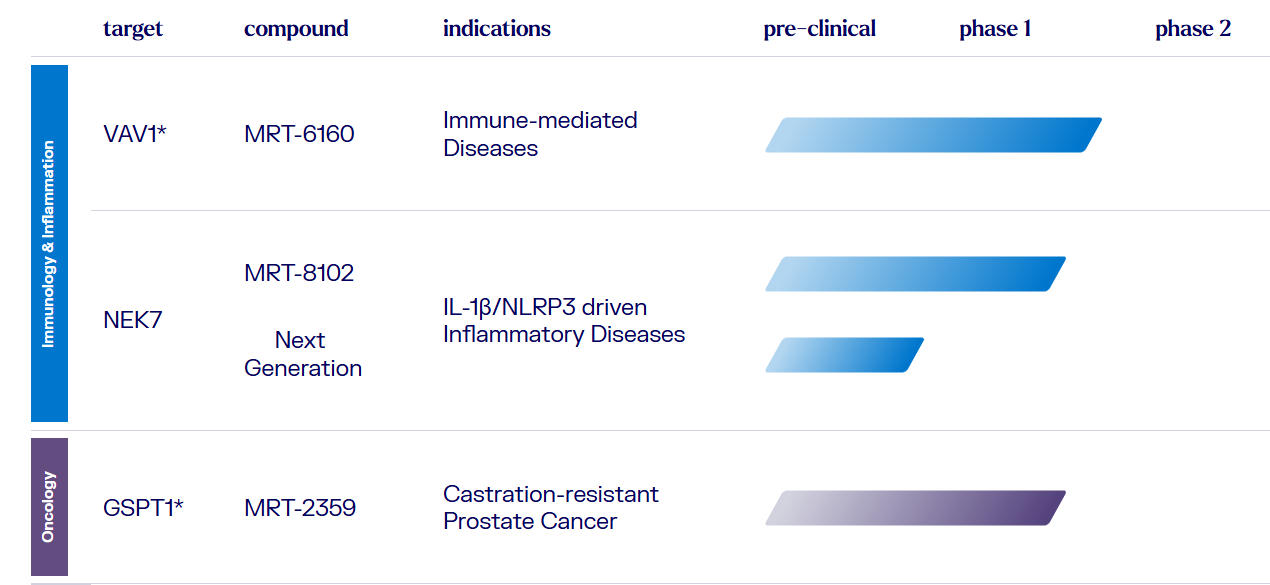
Figure 4. Monte Rosa Pipelines, source: https://www.monterosatx.com/
MRT-2359
MRT-2359 is a selective, orally bioavailable molecular glue degrader targeting GSPT1, specifically engineered to exploit the therapeutic vulnerability of MYC-driven cancers. Early clinical signals from trials evaluating MRT-2359 in combination with the AR inhibitor enzalutamide have been highly encouraging, demonstrating robust PSA responses in heavily pretreated patient populations. Based on these signals, Monte Rosa plans to advance MRT-2359 into Phase 2 clinical trials in 2026 to further validate its efficacy in AR-mutated mCRPC.
MRT-6160
MRT-6160 is a potent, highly selective, and orally bioavailable VAV1 molecular glue degrader with transformative potential in the treatment of autoimmune disorders. By effectively degrading VAV1—a critical signaling protein downstream of T- and B-cell receptors—MRT-6160 modulates essential immune pathways, demonstrating deep degradation (>90%) in peripheral blood T-cells with a favorable safety profile. Following a landmark global licensing agreement with Novartis in October 2024, Monte Rosa is well-positioned to accelerate its clinical development. With promising Phase 1 data supporting dose-dependent PK/PD characteristics and sustained suppression of TCR-mediated signaling, the company is on track to initiate multiple Phase 2 studies in 2026.
MRT-8102
MRT-8102 represents a breakthrough approach to inflammatory diseases by targeting NEK7, a key requisite component for NLRP3 inflammasome activation and subsequent IL-1β and IL-18 release. A defining characteristic of MRT-8102 is its ability to penetrate the central nervous system (CNS), broadening its therapeutic reach to a variety of systemic and neurological inflammatory conditions. Phase 1 clinical data have demonstrated significant reductions in inflammatory biomarkers, including hsCRP, IL-6, and IL-1β, alongside a favorable safety profile. Building on these results, Monte Rosa is advancing MRT-8102 toward the Phase 2 GFORCE-2 study focused on atherosclerotic cardiovascular disease (ASCVD), with data expected in late 2026.
Kymera Therapeutics: KT-621 (STAT6 Degrader)
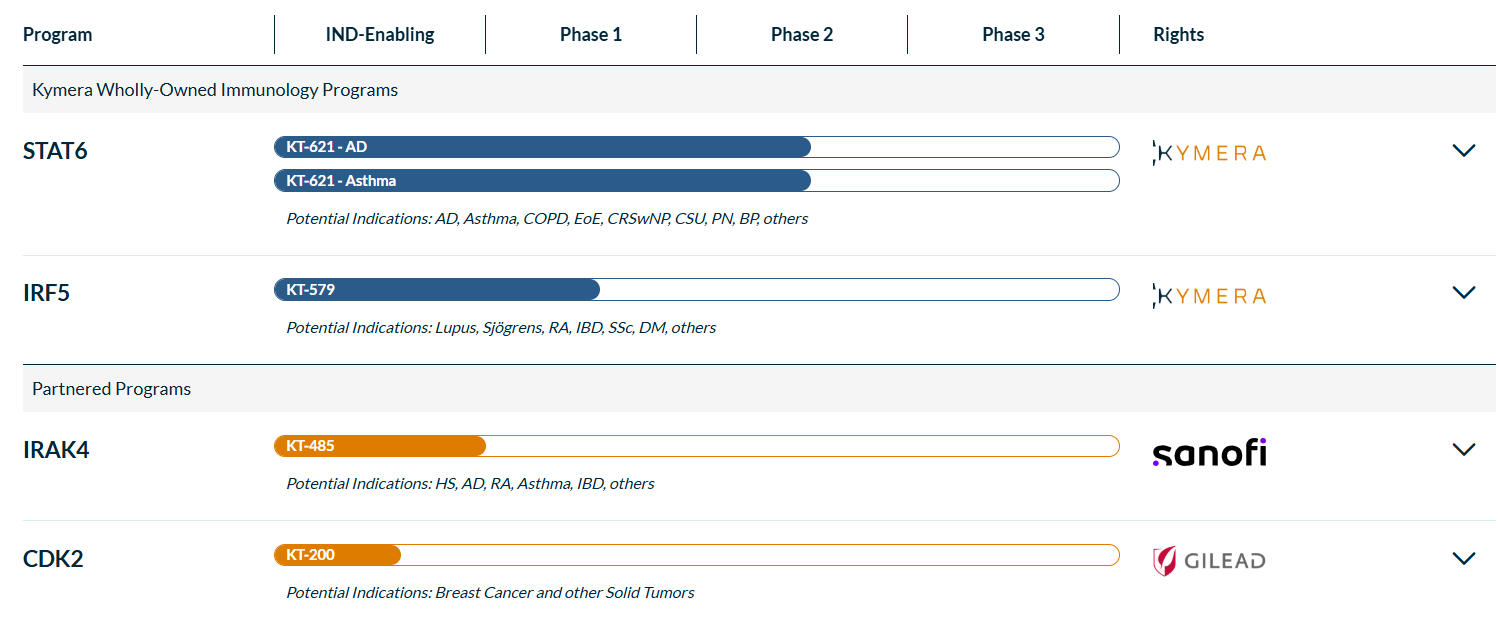
Figure 5. Kymera Therapeutics pipelines, source: https://www.kymeratx.com/
KT-621 is a first-in-class, once-daily oral degrader of STAT6, a key transcription factor that mediates IL-4/IL-13 signaling and drives type 2 inflammation. It is currently being evaluated in Phase 2 clinical trials for atopic dermatitis and asthma. The FDA has granted Fast Track designation to KT-621 for the treatment of moderate to severe eosinophilic asthma.
In a Phase 1 study in patients with atopic dermatitis, KT-621 achieved robust STAT6 degradation in both blood and skin, leading to marked reductions in type 2 inflammatory biomarkers. These pharmacodynamic effects translated into meaningful improvements in clinical endpoints and patient-reported outcomes, including benefits in comorbid asthma and allergic rhinitis. The treatment was generally well tolerated, with a favorable safety profile. [10]
Eisai: Advancing E7820 (RBM39 Degrader)
E7820 is a novel aryl sulfonamide that acts as a molecular glue to bind ubiquin ligase DCAF15 to splicing factor RBM39 resulting in selective degradation of RBM39. E7820 is currently being evaluated in Phase II clinical trials specifically targeting patients with relapsed or refractory (R/R) acute myeloid leukemia (AML), myelodysplastic syndromes (MDS), and chronic myelomonocytic leukemia (CMML). [11]
Amgen: AMG 193 (PRMT5 Molecular Glue)
AMG 193 is a potential first-in-class LOCKTAC molecular glue designed to selectively target MTAP-deleted solid tumors. By stabilizing the interaction between the enzyme PRMT5 and its metabolic byproduct, methylthioadenosine (MTA), it effectively silences the target within the tumor microenvironment.
AMG 193 is currently in Phase I/II clinical trials for the treatment of advanced MTAP-deleted solid tumors. Early clinical evidence has demonstrated an encouraging safety profile and promising signals of anti-tumor activity. [12]
Conslusion
With their unique proximity-inducing mechanisms and superior pharmacological profiles, molecular glues have established a transformative frontier for targeting the "undruggable" proteome. Beyond redefining therapeutic strategies in oncology, the reach of this modality is rapidly expanding into diverse areas, including autoimmunity, chronic inflammation, and neurology.
Although challenges in discovery and development remain, continued advance are accelerating the transition from empirical screening toward more systematic and rational design. Looking ahead, these innovations are expected to drive the successful development of additional molecular glue therapeutics, ultimately expanding treatment options for a wider patient population.
References:
[1] Zhang Y, Li L, Xu J, Che C, Jia J, Lu H, You Q, Xu X. A Novel Paradigm for Targeting Challenging Targets: Advancing Technologies and Future Directions of Molecular Glue Degraders. Molecules. 2026 Jan 28;31(3):459. doi: 10.3390/molecules31030459. PMID: 41683435; PMCID: PMC12898511.
[2] https://news.bms.com/news/corporate-financial/2026/U-S--Food-and-Drug-Administration-Accepts-Bristol-Myers-Squibbs-New-Drug-Application-for-Iberdomide-in-Patients-with-Relapsed-or-Refractory-Multiple-Myeloma/default.aspx
[3] https://news.bms.com/news/corporate-financial/2026/Bristol-Myers-Squibb-Announces-Positive-Phase-3-Results-from-the-SUCCESSOR-2-Study-of-Oral-Mezigdomide-in-Relapsed-or-Refractory-Multiple-Myeloma/default.aspx
[4] https://ashpublications.org/blood/article/146/Supplement%201/479/549198/Golcadomide-GOLCA-a-potential-first-in-class-oral
[5] https://ir.revmed.com/news-releases/news-release-details/daraxonrasib-demonstrates-unprecedented-overall-survival-benefit
[6] https://ir.revmed.com/news-releases/news-release-details/revolution-medicines-present-updated-phase-1-clinical-data
[7] https://ir.revmed.com/news-releases/news-release-details/revolution-medicines-present-updated-elironrasib-safety-and
[8] https://ir.c4therapeutics.com/news-releases/news-release-details/c4-therapeutics-outlines-strategic-milestones-advance/
[9] https://www.monterosatx.com/
[10] https://investors.kymeratx.com/news-releases/news-release-details/kymera-therapeutics-announces-us-fda-fast-track-designation-kt-0/ Kymera Therapeutics Announces U.S. FDA Fast Track Designation for KT-621, a First-in-Class, Oral STAT6 Degrader for the Treatment of Moderate to Severe Asthma
[11] Bewersdorf, J. P., Stahl, M., Taylor, J., Mi, X., Chandhok, N. S., Watts, J., Derkach, A., Wysocki, M., Lu, S. X., Bourcier, J., Hogg, S. J., Rahman, J., Chaudhry, S., Totiger, T. M., Abdel-Wahab, O., & Stein, E. M. (2023). E7820, an anti-cancer sulfonamide, degrades RBM39 in patients with splicing factor mutant myeloid malignancies: A phase II clinical trial. Leukemia, 37(12), 2512-2516. https://doi.org/10.1038/s41375-023-02050-4
[12] https://www.amgen.com/stories/2025/08/from-blocking-to-locking---rethinking-how-amgen-intervenes-in-disease
Related Articles
Molecular Glue-Antibody Conjugates (MACs)
Antibody-Degrader Conjugates (DACs): The Next Evolution of Antibody-Drug Conjugates