Macrocyclic peptides have gained considerable interest as a novel class of therapeutic agents, capable of bridging the gap between small molecules and biologics. As a sophisticated subset of peptide therapeutics, macrocyclic peptides feature a covalently closed ring structure formed through linkages such as head-to-tail cyclization, side-chain-to-side-chain bonds, disulfide bridges, or backbone-side-chain connections. This structural constraint imparts greater conformational rigidity to cyclic peptides, significantly enhancing their stability and biological performance.
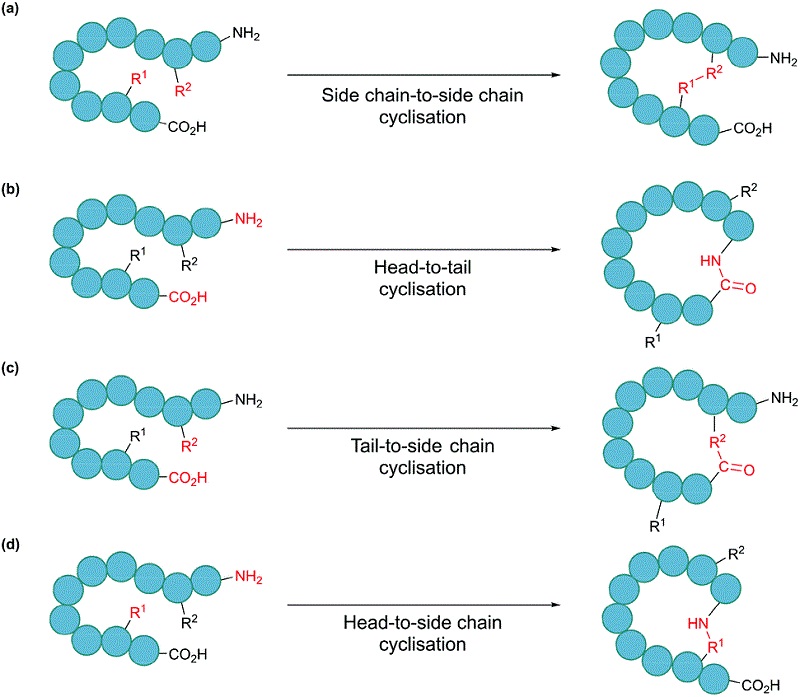
Figure 1. Schematic illustration of cyclisation modes, source: reference [1]
For decades, the primary drawback of peptide drugs has been their delivery method. Traditional linear peptides are highly susceptible to degradation by gastrointestinal proteases and possess poor permeability, meaning they almost exclusively require injection. This reliance on needles creates a significant barrier for patients, often leading to poor long-term treatment adherence.
Macrocyclic peptides change this dynamic. By eliminating free terminal amino acid residues and forming internal hydrogen bonds, the cyclic structure is naturally more resistant to metabolic breakdown. Through modern structural modification, the use of absorption enhancers, and optimized drug carriers, these molecules have successfully bypassed the biological barriers of the gut, making oral administration a reality.
The shift toward oral macrocyclic peptides is particularly transformative for the management of chronic conditions. In fields such as cardiovascular disease and psoriasis—where patients require lifelong treatment—the move from frequent injections to a daily pill significantly reduces the physical and psychological burden of care.
While early-stage research was once hindered by rapid clearance from the body, current clinical data is encouraging. The success rate for macrocyclic peptides transitioning from Phase II to Phase III is approximately 42%, notably higher than the 29% success rate seen in traditional small molecules.
As pharmaceutical R&D pivots toward patient-centric delivery, the clinical progress of two current flagship macrocyclic peptide candidates highlights the explosive potential of this sector.
Enlicitide Decanoate (MK-0616): A Breakthrough Oral PCSK9 Inhibitor
Since its discovery in 2003, PCSK9 (proprotein convertase subtilisin/kexin type 9) has emerged as a cornerstone target in lipid-lowering therapy. While existing PCSK9-targeted therapies—such as Evolocumab, Alirocumab, and Inclisiran—are highly effective at reducing low-density lipoprotein cholesterol (LDL-C), their requirement for regular injections remains a significant barrier to widespread patient adherence.
Enlicitide, developed by Merck, represents a paradigm shift as a first-in-class, oral, small-molecule macrocyclic peptide inhibitor of PCSK9. By binding to plasma PCSK9, it prevents the protein from interacting with LDL receptors (LDLR) on the liver surface. This blockade protects LDLR from lysosomal degradation, thereby increasing the density of receptors available to capture and clear LDL-C from the bloodstream.
Enlicitide achieved breakthrough results in 2025 across three pivotal Phase III clinical trials: CORALreef Lipids, CORALreef HeFH, and CORALreef AddOn. These studies underscore its potential to replace or supplement existing injectable biologics.
CORALreef Lipids: This trial focused on 2,912 participants with atherosclerotic cardiovascular disease (ASCVD) who were either already on lipid-lowering therapy or were statin-intolerant. Enlicitide demonstrated a statistically significant and clinically meaningful reduction in LDL-Cof 55.8% (primary analysis; 95% CI: -60.9, -50.7; p<0.001) and of 59.7% in a post-hoc reanalysis (95% CI: -62.3, -57.1; p<0.001) compared to placebo at week 24. [2]
CORALreef HeFH: Enlicitide produced statistically significant and clinically meaningful reductions in LDL-C compared with placebo in adults with heterozygous familial hypercholesterolemia (HeFH) who have a history of, or are at risk for, atherosclerotic cardiovascular disease (ASCVD) and are receiving statin therapy. [3]
CORALreef AddOn: Enlicitide demonstrated statistically significant and clinically meaningful LDL-C reductions compared with ezetimibe, bempedoic acid, and the combination of ezetimibe plus bempedoic acid in adults with hyperlipidemia who have a history of, or are at risk for, ASCVD and are treated with a statin. [3]
Icotrokinra (JNJ-2113, PN-235):First-in-class Orally Macrocyclic Peptide Antagonist of IL-23R
The IL-23 (Interleukin-23) pathway is a primary driver of chronic inflammatory diseases, including psoriasis, psoriatic arthritis, and inflammatory bowel disease (IBD). Traditionally, targeting this pathway has required injectable biologics. However, Icotrokinra (JNJ-2113)—a first-in-class macrocyclic peptide developed by Johnson & Johnson and Protagonist Therapeutics—is poised to disrupt this landscape as a highly potent, oral alternative.
By leveraging advanced cyclic peptide engineering, icotrokinra binds to the IL-23 receptor with single-digit picomolar affinity and demonstrated potent, precise inhibition of IL-23 signalling in human T cells.
On 18 March 2026, FDA approved ICOTYDE™ (icotrokinra) for the treatment of moderate-to-severe plaque psoriasis in adults and pediatric patients 12 years of age and older who weigh at least 40 kg who are candidates for systemic therapy or phototherapy. ICOTYDE is the first and only targeted oral peptide that precisely blocks the IL-23 receptor.
Pivotal Phase 3 Results (ICONIC-LEAD) revealed dramatic skin clearance rates in patients with moderate-to-severe plaque psoriasis: [5]
- ● At Week 16: 65% of patients achieved an IGA 0/1 (clear or almost clear skin) and 50% achieved PASI 90, compared to just 8% and 4% in the placebo group ($p < 0.001$).
- ● At Week 24: Efficacy continued to climb, with 74% achieving IGA 0/1 and 65% reaching PASI 90. Notably, nearly half (46%) reached IGA 0 (completely clear skin).
- ● Safety: The safety profile remained consistent with placebo, with no new safety signals identified.
ICONIC-ADVANCE: The ICONIC-ADVANCE 1 & 2 studies demonstrated that Icotrokinra significantly outperformed Deucravacitinib (an existing oral TYK2 inhibitor) across all key secondary endpoints at weeks 16 and 24. This data positions Icotrokinra as a potentially superior oral targeted therapy.
ICONIC-ASCEND: In a bold move for oral therapeutics, J&J has initiated the ICONIC-ASCEND study. This is the first head-to-head trial designed to prove the superiority of an oral pill (Icotrokinra) over a blockbuster injectable biologic, Ustekinumab.
ANTHEM-UC: While its initial focus is on dermatology, Icotrokinra's reach extends deep into gastroenterology. In the Phase 2b ANTHEM-UC trial, the drug achieved a 63.5% clinical response rate and a 30.2% clinical remission rate at week 12. These promising results have moved the candidate into Phase 3 trials. [6]
Expanding Frontiers: Oncology and Immunotherapy
Macrocyclic peptides are also making significant strides in cancer research, offering new ways to target tumors that were previously difficult to reach with standard pills.
BMS-986238, a collaboration between Bristol Myers Squibb and PeptiDream, is a second-generation oral PD-L1 inhibitor designed to overcome the short half-life issues of its predecessor, BMS-986189. To achieve this, researchers attached a long-chain fatty acid to the molecule using a polyethylene glycol (PEG) linker. The candidate has already successfully cleared Phase I clinical trials, proving that this "macrocyclic" design can successfully deliver complex cancer immunotherapy in the form of a pill.
LUNA-18 (Paluratide), developed by Chugai Pharmaceutical (Roche Group), is a pioneering oral macrocyclic peptide designed as a pan-RAS inhibitor. It aimed to treat various cancers by disrupting the interaction between RAS and GEF across multiple isoforms, including KRAS, NRAS, and HRAS. While it successfully demonstrated that macrocyclic peptides could reach "undruggable" intracellular targets through oral delivery, its broad activity across all RAS isoforms resulted in a narrow therapeutic window. Consequently, development was discontinued in July 2025. Chugai has since pivoted its resources toward AUBE00, a next-generation oral cyclic peptide that functions as a more selective KRAS inhibitor with a more favorable safety and efficacy profile.
Biopharma PEG, as a professional PEG linker supplier, offers a variety of PEG linkers to facilitate your drug development, such as peptides, antibody-drug conjugate (ADC), peptide drug conjugates (PDC), etc. All PEG linkers are of >95% purity and they are the basic building blocks for a successful drug.
References:
[1]Hayes, H. C., Luk, L. Y. P., & Tsai, Y. H. (2021). Approaches for peptide and protein cyclisation. Organic & biomolecular chemistry, 19(18), 3983–4001. https://doi.org/10.1039/d1ob00411e
[2]https://www.msd.com/news/msds-enlicitide-decanoate-an-investigational-oral-pcsk9-inhibitor-significantly-reduced-ldl-c-in-phase-3-coralreef-lipids-trial/
[3]https://www.merck.com/news/merck-announces-positive-topline-results-from-the-first-two-phase-3-coralreef-trials-evaluating-enlicitide-decanoate-for-the-treatment-of-adults-with-hyperlipidemia/
[4]https://www.jnj.com/media-center/press-releases/johnson-johnson-seeks-first-icotrokinra-u-s-fda-approval-aiming-to-revolutionize-treatment-paradigm-for-adults-and-adolescents-with-plaque-psoriasis
[5]https://www.jnj.com/media-center/press-releases/icotrokinra-results-show-potential-to-set-a-new-standard-of-treatment-in-plaque-psoriasis
[6]https://www.jnj.com/media-center/press-releases/icotrokinra-data-in-ulcerative-colitis-show-potential-for-a-standout-combination-of-therapeutic-benefit-and-a-favorable-safety-profile-in-once-daily-pill
Related Articles:
BMS-986238: A New Macrocyclic Peptide-Based PD-L1 Inhibitor
Biological Therapies for Myasthenia Gravis: FDA-Approved and Emerging Treatments