In the rapidly evolving landscape of precision medicine, Peptide-Drug Conjugates (PDCs) have emerged as a sophisticated targeted delivery system. By chemically linking functional peptides with small-molecule drugs, PDCs act as molecular guided missiles that home in on specific biological targets.
This approach offers a dual advantage: it ensures high selectivity for diseased tissues while minimizing systemic toxicity, thereby significantly improving the therapeutic window for potent drugs.
What Are Peptide-Drug Conjugates?
A PDC is an engineered molecule consisting of three essential building blocks:
- ● The Targeting Peptide: A specific sequence of amino acids designed to recognize and bind to receptors or antigens overexpressed on the surface of diseased cells (such as tumors).
- ● The Cytotoxic Payload: The active therapeutic warhead intended to eliminate the target cell.
- ● The Linker: A stable bridge that connects the peptide to the payload. These can be designed to be cleavable or non-cleavable.
Linker design: Keep a balance between stability and release
The linker is arguably the most sophisticated and challenging component of PDC design. Linker design in PDCs critically influences stability, drug release kinetics, and therapeutic efficacy.
Linkers can be cleavable or non-cleavable. The choice of linker depends on the design of the targeted therapeutic agent and the needs of the mode of action.
- ● Cleavable Linkers: Cleaved enzymatically or chemically at the target site. While they are highly effective for targeted release, they can sometimes be less stable during circulation.
- ● Non-Cleavable Linkers: Cannot be activated by external stimuli. They work after peptide metabolism releases the payload and are generally more stable in circulation.
A significant pharmacokinetic challenge for peptide-based therapeutics is their inherent susceptibility to rapid renal clearance. To mitigate this, researchers frequently integrate Polyethylene Glycol (PEG) linkers into the PDC scaffold.
PEG stands out as a premier candidate for conjugation due to its hydrophilicity, biocompatibility, and low immunogenicity. PEG linkers introduce molecular flexibility and steric shielding, which improve the overall stability and aqueous solubility of the conjugates.
PEGylation can also increase the hydrodynamic size of the conjugate, thereby reducing renal filtration and extending the in vivo circulation half-life. In addition, PEG modification may help mitigate immunogenicity and optimize pharmacokinetic behavior, ultimately contributing to improved therapeutic performance.
Biopharma PEG provides monodispersed & polydispersed linear PEGs, branched PEGs, and multi-arm PEGs for your PDC development.
Advantages of PDCs over ADCs
Expanded Target Landscape and Enhanced Membrane Permeability
Owing to their large molecular size and high molecular weight, antibodies exhibit poor transmembrane diffusion and lack efficient intracellular transport mechanisms. Consequently, Antibody-Drug Conjugates (ADCs) are restricted to targeting cell-surface antigens, relying almost exclusively on receptor-mediated endocytosis for payload delivery.
In contrast, the smaller molecular footprint of peptides allows them to utilize various membrane transporters. This enables PDCs to directly target intracellular proteins, significantly expanding the druggable genome and targetable space. While peptides generally exhibit lower binding affinity for target receptors compared to antibodies, PDCs offer a distinct strategic advantage in terms of target breadth.
Diversified Therapeutic Mechanisms and Superior Safety Profiles
ADCs demand stringent disease specificity; an ideal antigen must be highly overexpressed on pathological cells. Improper antigen selection or non-specific antibody binding frequently leads to off-target cytotoxicity, posing significant safety risks.
PDCs, however, can be conjugated with non-cytotoxic small molecules—such as those used in targeted protein degradation (TPD)—resulting in a more modulated pharmacological effect with minimal disruption to healthy cells. Unlike ADCs, which primarily rely on cytotoxic "cell killing," the PDC framework supports more flexible therapeutic mechanisms, broader indications, and a reduced risk of severe adverse events (SAEs).
Precision Synthesis and Product Homogeneity
From a manufacturing perspective, the site-specific conjugation of amino acid side chains in peptides offers superior chemoselectivity. While antibodies can undergo site-specific conjugation (e.g., via engineered cysteine residues), the process is technically demanding and often fails to yield a truly uniform product.
As a result, most ADCs exist as heterogeneous mixtures with varying drug-to-antibody ratios (DAR) and stochastic payload distribution, which directly impacts biological activity and pharmacokinetic (PK) profiles. Given the maturity of peptide synthesis and conjugation technologies, PDCs outperform ADCs in terms of synthetic controllability, product homogeneity, and stringent quality control.
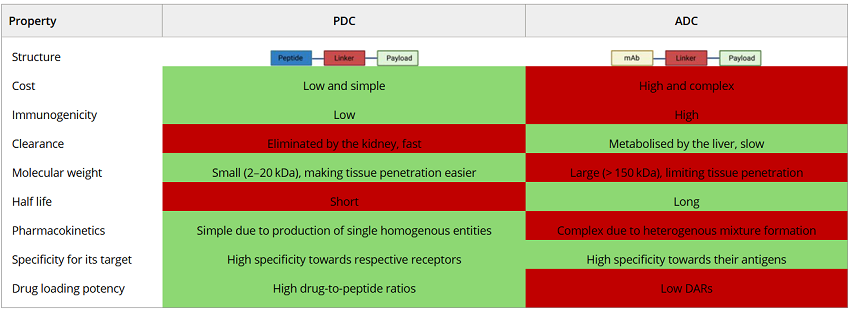
TABLE 1. Comparison between ADC and PDC, source: reference [2]
Clinical Progress of PDCs
With ongoing advances in peptide conjugation technologies and chemical synthesis methodologies, PDCs have demonstrated promising results in preclinical and clinical settings. Currently, several PDC drugs have reached the global market; however, most are indicated for diagnostic purposes. Only two FDA-approved PDCs have reached therapeutic use: Lutathera (¹⁷⁷Lu-DOTATATE) and Pepaxto (melphalan flufenamide, later withdrawn).
Diagnostic Applications and Early Milestones
Octreoscan® (111In-DTPA-Octreotide) was the first PDC to receive regulatory approval. It is indicated for the diagnostic imaging of somatostatin receptor (SSTR)-positive tumors, utilizing intravenous administration for tumor localization. Following this milestone, several other PDCs were approved for diagnostic imaging, including NETSPOT® (68Ga-DOTATATE) and TOCscan® (68Ga-DOTATOC).
Therapeutic PDCs and Radiopharmaceutical Ligands (RLTs)
Lutathera® (177Lu-DOTATATE) represents the world’s first approved therapeutic PDC and remains the only currently marketed PDC. Categorized as a Radiopharmaceutical Drug Conjugate (RDC) or peptide receptor radionuclide therapy (PRRT), it targets SSTRs to enter cells and release the radionuclide 177Lu. The resulting radiation induces DNA damage in tumor cells, exerting a potent therapeutic effect. In 2018, the FDA approved Lutathera for the treatment of gastroenteropancreatic neuroendocrine tumors (GEP-NETs).
In February 2021, the FDA granted accelerated approval to Oncopeptides’ Pepaxto® (melphalan flufenamide), the first therapeutic PDC targeting aminopeptidases. Its design features a DNA-alkylating payload covalently linked to an aminopeptidase-targeting peptide. The drug’s high lipophilicity facilitates rapid cellular entry; once inside, it is hydrolyzed by aminopeptidases to release a hydrophilic alkylating agent, causing irreversible DNA damage and subsequent cell death. It was initially indicated for use in combination with dexamethasone for relapsed/refractory multiple myeloma (RRMM). However, postapproval trials failed to confirm clinical benefit, instead revealing increased mortality risk. The FDA mandated withdrawal in October 2021—a rare reversal underscoring the challenges of accelerated approval mechanisms when confirmatory data contradict early findings.
| Name | Homing peptide | Receptor | Linker | Payload | Indication | Company | Phase |
| AEZS-108a(terminated) | D-Lys6 GHRH | GnRH-R | Amide | DOX | Endometrial and ovarian cancer | AEterna Zentaris | III |
| ANG1005 | Angiopep-2 | LRP1 | Ester | PTX | Brain metastases from breast cancer | Angiochem Inc | III |
| BT1718 | Bicyclic peptide | MT1-MMP | Disulfide | DM1 | Solid tumours | Bicycle Therapeutics | II |
| BT8009 | Bicyclic peptide | Nectin-4 | Amide | MMAE | Advanced or metastatic urothelial cancer | Bicycle Therapeutics | III |
| CBX-12 | Alphalex | Not applicable | Amide | Exetecan | Solid tumours, platinum-resistant and refractory ovarian cancer | Cybrexa Therapeutics | II |
| CBP-1008 | CB-20BK | FRα, TRPV6 | Amide | MMAE | Solid tumour | Coherent Biopharma | I |
| CBP-1018 | LDC10B | FOLR1, PSMA | Amide | MMAE | Lung tumour | Coherent Biopharma | I |
| G-202 | DγEγEγEγE | PSMA | Amide | Thapsigargin | Heptocellular carcinoma | Gilead Sciences | II |
| 177Lu-PSMA-617 | Glu-urea-lysine | PSMA | Nal and TXA | 177Lu with DOTA chelator | Prostate cancer | Novartis | III |
| 177Lu-Ludotadipep | Ludotadipep | PSMA | Amide | 177Lu | Prostate cancer | FutureChem Co | II |
| MB1707b | CXC | CXCR4 | Ester | PTX | Solid tumour | Mainline Biosciences | I |
| NGR015 | CNGRCG | pAPN | Amide | hTNF | Malignant pleural mesothelioma | HaploX Biotech | III |
| PEN-221 | fCYwKTCC | SSTR2 | Disulfide | DM1 | Lung cancer | Tarveda Therapeutics | II |
| TH1902 | TH19P01 | SORT1 | Amide | DTX | Triple negative breast cancer | Theratechnologies | I |
| tTF-NGR | GNGRAHA | CD13, αvβ3 integrin | Amide | tTF | Soft tissue sarcoma | Anturec Pharmaceuticals | III |
| TB511 | TAMpep | CD18 | GGGGS | dKLA | Advanced solid tumours | Twingpig Biolab | I |
TABLE 2. PDCs in the pipeline. source: reference [2]
Conclusion
While PDC technology still faces hurdles such as systemic stability and the optimization of binding affinity, the landscape is shifting rapidly. Driven by breakthroughs in fundamental research, the steady accumulation of clinical data, and the emergence of innovative engineering platforms, there is a strong consensus that PDCs are poised to become the next frontier in targeted therapeutics following the success of ADCs. In the coming years, we anticipate a "golden era" for PDC development that will significantly expand the precision medicine toolkit and provide superior therapeutic options for patients worldwide.
References:
[1] Dean, T. T., Jelu-Reyes, J., Allen, L. C., & Moore, T. W. (2024). Peptide-Drug Conjugates: An Emerging Direction for the Next Generation of Peptide Therapeutics. Journal of Medicinal Chemistry, 67(3), 1641. https://doi.org/10.1021/acs.jmedchem.3c01835
[2] Armstrong, A., Coburn, F., Nsereko, Y., & Musaimi, O. A. (2025). Peptide-Drug Conjugates: A New Hope for Cancer. Journal of Peptide Science, 31(8), e70040. https://doi.org/10.1002/psc.70040