Antibody-drug conjugates (ADCs), a revolutionary tumor therapeutic modality integrating the targeting specificity of monoclonal antibodies and the cytotoxicity of payloads, have undergone fast development, with 23 ADCs now approved globally. Despite their remarkable success, traditional ADCs still face intractable challenges in overcoming tumor heterogeneity, drug resistance, and internalization efficiency.
To overcome these limitations, next-generation ADCs are evolving from conventional "single-antibody + single-payload" designs toward more precise targeting, enhanced internalization, and multi-mechanism synergistic therapy. Key trends include bispecific ADCs (BsADCs), multi-payload ADCs, internalization-enhanced ADCs, and covalent ADCs.
Bispecific ADCs (BsADCs)
Conventional single-target ADCs are often limited by tumor antigen heterogeneity or on-target, off-tumor toxicity in normal tissues. BsADCs can simultaneously recognize and bind two different cell surface antigens (dual-target ADCs) or two distinct epitopes (dual-epitope ADCs). This design not only improves tumor targeting specificity but also enhances internalization efficiency and anti-tumor activity through synergistic effects.
Dual-Target ADCs: Bispecific ADCs target two tumor antigens simultaneously to overcome resistance and improve selectivity. For example, BL-B01D1, a bispecific ADC targeting EGFR and HER3, has demonstrated exceptional efficacy in advanced lung and nasopharyngeal cancers. It has been approved in China and is being evaluated in a Phase III clinical study in the United States. Furthermore, AZD9592—another bispecific ADC targeting EGFR and c-MET—has also shown favorable anti-tumor potential and reduced normal tissue toxicity.
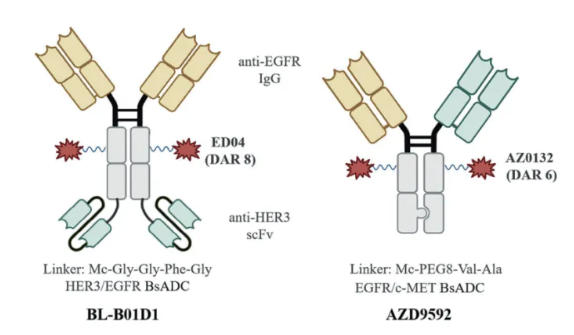
Figure 1. Dual-Target Bispecific ADCs, source reference [1]
Dual-Epitope ADCs: By simultaneously binding two non-overlapping epitopes on the same target protein, this approach accelerates receptor clustering and lysosomal degradation. Current research on dual-epitope ADCs primarily focuses on targets such as HER2, MET, and folate receptor alpha (FRα). ZW49 (zanidatamab zovodotin) is a bispecific anti-HER2 ADC conjugated to a proprietary auristatin toxin via a protease-cleavable linker.
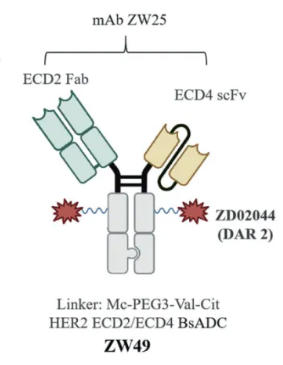
Figure 2. Dual-Epitope Bispecific ADCs, source reference [1]
Despite their potential, BsADCs also present challenges. Their more complex molecular structures and manufacturing processes require careful optimization of target affinity, molecular size, drug conjugation, and safety.
Multi-Payload ADCs
Traditional ADCs typically carry a single cytotoxic drug. While this approach has produced significant clinical benefits, tumor cells can develop resistance to a particular payload or mechanism of action.
Dual-payload and multi-payload ADCs aim to address this limitation by incorporating two or more payloads with different properties or mechanisms into the same antibody. Combinations such as MMAE and MMAF, TOP1 inhibitors and microtubule inhibitors, as well as TOP1 inhibitors and DNA damage response (DDR) inhibitors, are actively being explored.
Different payloads may provide complementary mechanisms of action and help address tumor heterogeneity and drug resistance. Differences in payload properties, such as cell permeability, may also allow researchers to balance direct tumor cell killing with bystander effects.
Furthermore, researchers are beginning to explore the combination of cytotoxic drugs with immunomodulators. For instance, coupling a TOP1 inhibitor or MMAF with immunostimulatory molecules such as TLR7/8 agonists enables the ADC to not only directly kill tumor cells but also modulate the tumor microenvironment.
As a result, the concept of the ADC payload is expanding beyond traditional cytotoxic drugs to include immune agonists, protein degraders, oligonucleotides, and other functional molecules.
Internalization-Enhanced ADCs
Efficient cellular internalization is a critical step in the mechanism of action of many ADCs. After an antibody binds to its target antigen on the tumor cell surface, the ADC needs to enter the cell and reach the lysosome, where the payload can be released.
Therefore, improving target internalization and intracellular trafficking has become an important area of next-generation ADC research.
Targeting Rapidly Recycling Receptors: Enhancing endocytosis and intracellular transport by targeting receptors with rapid internalization and recycling properties. Targets such as SORT1 and CD98hc (SLC3A2) are utilized to facilitate ADC cellular entry and promote lysosomal trafficking.
Introducing Peptide Tags: Utilizing cell-penetrating peptides (CPPs) or lysosomal sorting signals (LSSs) to enhance cellular uptake and intracellular trafficking.
These strategies may improve the delivery of antibodies and ADCs into tumor cells. However, researchers must also consider the potential for non-specific uptake, off-target effects, and increased toxicity.
Covalent ADCs
Inspired by the success of covalent small-molecule drugs, researchers are exploring covalent binding strategies for next-generation ADCs.
These approaches incorporate engineered covalent warheads, such as maleimide-substituted aryl fluorosulfate (MFS) groups based on SuFEx chemistry, into targeting proteins. The reactive group can form a stable covalent bond with nucleophilic residues on the target protein.
This approach may provide more persistent target binding and has been associated in early research with enhanced tumor accumulation, cellular internalization, and tumor retention. Covalent bispecific constructs have also shown promising tumor suppression in preclinical models of difficult-to-treat solid tumors.
However, covalent binding can also present safety challenges. If the reactive group forms irreversible interactions with targets in normal tissues, it may increase the risk of off-target binding and systemic toxicity. Therefore, highly selective tumor targets and controlled covalent reactivity will be important for the further development of covalent ADCs.
Conclusion
Next-generation ADCs are expanding the potential of targeted cancer therapy through advances in bispecific targeting, enhanced internalization, covalent binding, and multi-payload design.
Although challenges remain in manufacturing complexity, molecular design, drug conjugation, and safety optimization, continued advances in ADC technology are driving the field toward greater precision, improved therapeutic control, and broader applicability.
As ADC design continues to evolve, new combinations of antibodies, targets, linkers, conjugation technologies, and payloads may provide additional strategies for addressing treatment-resistant and heterogeneous cancers.
PEG Linkers for ADC Research
PEG-based linkers and functional PEG derivatives are important building blocks for developing and optimizing ADCs. PEG linkers can provide adjustable spacing between the targeting molecule and payload while incorporating functional groups for site-specific or chemical conjugation.
Biopharma PEG provides a broad range of functional PEG derivatives and PEG linkers for ADC, bioconjugation and drug delivery research, including PEG derivatives with maleimide, NHS ester, azide, alkyne, DBCO, amine and thiol functionalities. Custom PEG synthesis is also available for specialized research and development needs.
References:
[1] Recent advances in function-enhanced antibody-drug conjugates: Antibody optimization and payload combination. Acta Pharmacol Sin. 2026 Jul 17.
Related Articles:
23 Antibody-drug Conjugates (ADCs) Approved Globally
First Bispecific ADC Approved Globally: More Bispecific ADCs in Clinical Trials
Dual-Payload ADCs: A Revolutionary Leap in Targeted Cancer Therapy
ADCs in Autoimmune Diseases: Expanding ADC Technology Beyond Oncology
Antibody-Degrader Conjugates (DACs): The Next Evolution of Antibody-Drug Conjugates
Antibody-Oligonucleotide Conjugates (AOCs): Recent Advances